Townhouse, Condo and HOA Siding Projects: Rules, Approvals and Costs
Who pays, who approves, and which materials and colors pass review — navigating siding work in attached homes and HOA communities in Cincinnati.
Read the guide →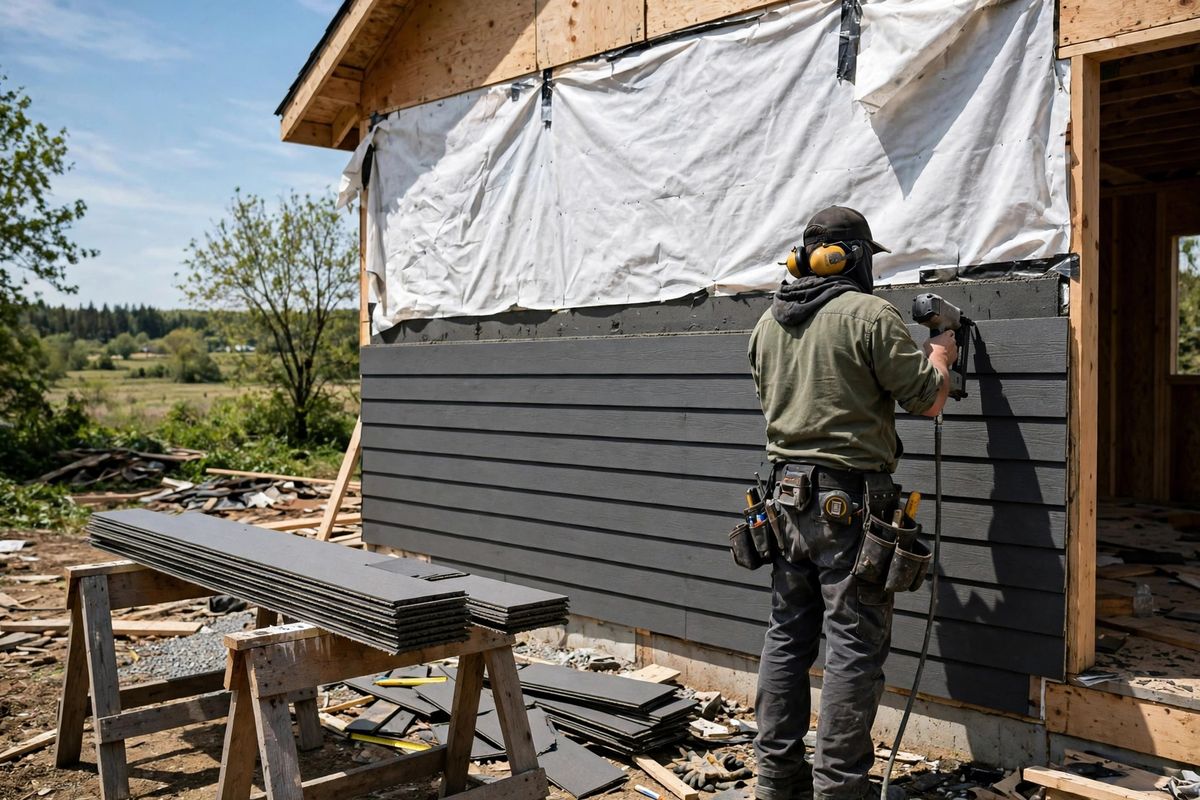
James Hardie siding — often called Hardie board — is the best-known brand of fiber cement siding, and Cincinnati homeowners ask about it by name. It is made from cement, sand and cellulose fiber, formed into planks, shingles and panels that mimic wood without being wood. This guide covers what it is, the profiles you can choose, what proper installation involves, and the realistic maintenance picture, so you can decide whether the premium over vinyl makes sense for your home and how long you plan to stay in it.
HardiePlank lap siding is the classic horizontal profile, available smooth or with a wood-grain texture. HardieShingle gives a cedar-shake look suited to gables and Craftsman details. HardiePanel provides vertical siding often paired with battens for a board-and-batten style. Trim boards and soffit products complete the system. Mixing profiles — plank below, shingle in the gables — is a common way to add character without changing the whole design.
Fiber cement is heavy and must be cut, carried and fastened with care. Installers typically cut it with dust control, keep it off the ground, leave correct gaps at trim, flash every horizontal surface, and follow the manufacturer's fastening pattern so warranties stay valid. That precision is why choosing an installer who works with the product regularly matters more than with lighter materials.
Hardie products come pre-finished in a range of factory colors or primed for on-site painting. Factory finishes are baked on and tend to hold color evenly; field painting gives unlimited color choice and can be refreshed later. Either way, caulked joints and cut edges need attention over time, and repainting is part of long-term ownership — plan on it rather than being surprised by it.
Hardie siding typically costs more than vinyl and less than some natural options, with durability and fire and rot resistance as its calling cards. For homeowners planning to stay put, that trade often makes sense. Through Cincinnati Siding Pros you can get connected with a local provider who installs James Hardie products and can price it against alternatives on your actual home.
Cincinnati's climate shapes every siding decision on this page. Humid Ohio River valley summers encourage mildew on shaded walls, spring brings the storm season that tests fasteners and flashing, and winter freeze-thaw cycles exploit any gap that admitted water in the fall. Local providers see the results of all three every week, which is why Cincinnati-specific advice matters more than generic national guidance: details that are optional in a dry climate — kick-out flashing, sealed penetrations, correct clearances at grade — are the difference between a wall that lasts and a wall that quietly rots here.
For the core services behind this guide, start with our siding services in Cincinnati overview, compare siding replacement with siding repair, or go straight to siding contractor in Cincinnati, OH on the homepage.
Almost every siding question eventually becomes this one. As a working rule, localized problems — a damaged section, one failing elevation, a single material issue — repair well and economically. Widespread problems — damage or rot on most elevations, recurring leaks at multiple details, materials at the end of their service life — usually make replacement the better spend, because money poured into patching a failing system buys little time. The honest way to decide is with a documented inspection that maps the damage elevation by elevation, prices both paths, and lets the evidence make the argument. Beware any recommendation, in either direction, that arrives before someone has actually looked behind a panel.

Who pays, who approves, and which materials and colors pass review — navigating siding work in attached homes and HOA communities in Cincinnati.
Read the guide →
An honest look at fiber cement — where it excels, where it demands more, and what ownership actually looks like across Ohio seasons.
Read the guide →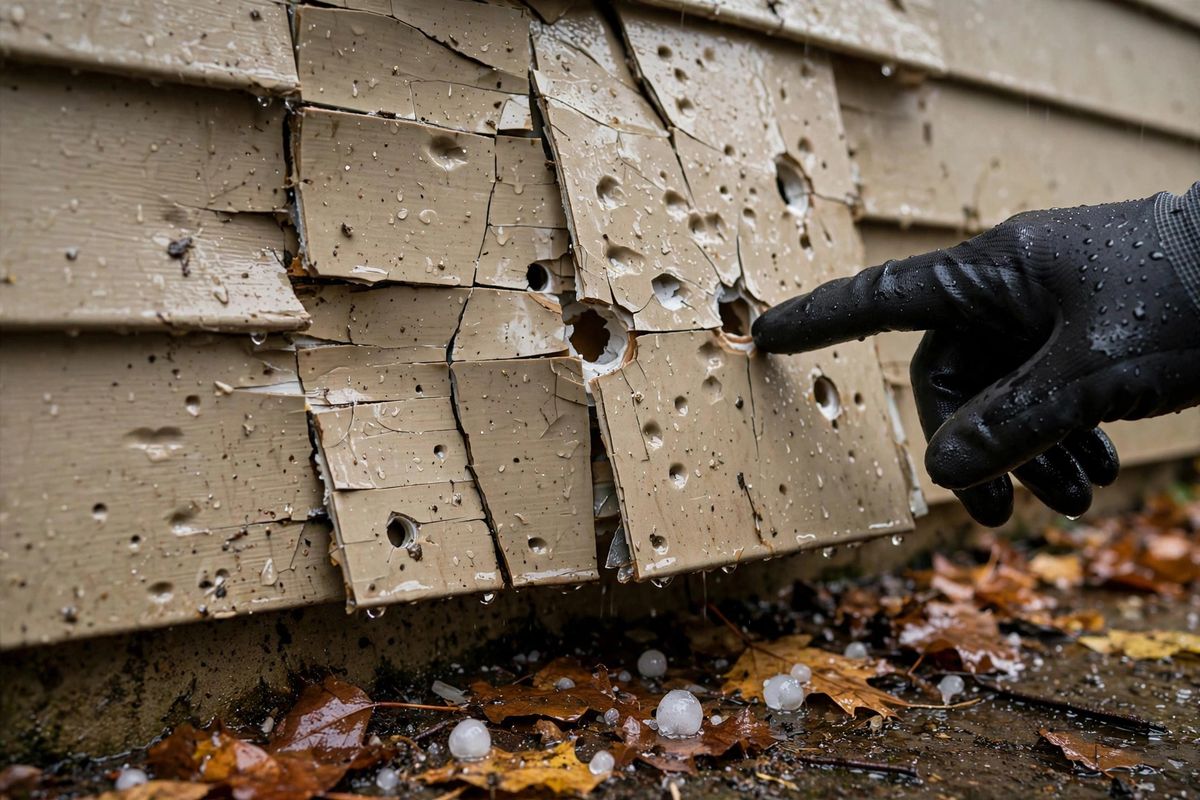
Wind-lifted panels, flying-debris holes and water intrusion after a storm — what to do in the first 48 hours and the mistakes that make damage worse.
Read the guide → Cincinnati Siding Pros
Call Cincinnati Siding Pros now and we'll connect you with an independent local siding provider in Cincinnati, OH — no pressure, no obligation. Lines are open 24/7.
 Scan to call now