Siding and Windows Together: Why Coordinating Both Projects Pays Off
Flashing order, trim details and energy gains — why replacing windows during a siding project produces a better, longer-lasting result.
Read the guide →
Cincinnati is full of older homes with real architectural character — narrow lap siding, decorative shingles in the gables, deep trim and corner boards. Replacing siding on a historic home is not the same job as re-siding a 1990s subdivision house. Profiles, reveal widths and materials carry the home's look, and some neighborhoods add historic-district rules to the decision. This guide covers how to protect that character, when restoration beats replacement, and the questions to ask before anyone removes a single board.
Older wood siding often has a narrower exposure — the visible height of each course — than modern products. Matching that exposure, along with trim widths and shingle patterns in gables, keeps the proportions right. Take photos and measurements before removal, and save a sound original board as a physical sample. Fiber cement and engineered wood both offer narrow profiles that approximate traditional wood closely.
Historic wood that is weathered but sound can often be restored: scrape, repair, re-prime and repaint. Replacement makes sense where rot is extensive or boards have been cut up by decades of alterations. A thoughtful provider will separate the elevations — many homes need full work on the weather-beaten south and west sides while the sheltered sides can be restored for less.
Some Cincinnati neighborhoods are designated historic districts or have local review for exterior changes, and certain work may need permits or approval of materials and colors. Rules vary by address, so verify before ordering materials. Providers familiar with historic work can help with documentation and material matching for review boards — ask about that experience directly when you call.
Corner boards, window casings, water tables and drip caps are the vocabulary of an older home's exterior. Replacing them with undersized modern trim flattens the architecture. Insist that trim dimensions are matched or deliberately improved, flashing is renewed at every intersection, and the finished job is photographed elevation by elevation against the 'before' record.
It is also worth remembering how Cincinnati housing varies. The city and its suburbs hold everything from nineteenth-century homes with narrow wood lap siding to post-war ranches in aluminum, 1980s and 1990s subdivisions in vinyl, and new construction mixing fiber cement with stone veneer. Advice that ignores that variety misses the point — the right choice for a historic facade is not automatically the right choice for a rental duplex, and any provider worth hiring will ask about your specific home before recommending a direction.
For the core services behind this guide, start with our siding services in Cincinnati overview, compare siding replacement with siding repair, or go straight to siding contractor in Cincinnati, OH on the homepage.
Whatever you decide, insist on three things: a written scope that names materials and details, clarity about what happens if hidden damage is found, and a single point of contact who answers for the schedule. Those three habits protect homeowners more than any brand choice. If you would like the introduction handled for you, Cincinnati Siding Pros exists for exactly that: call (513) 216-9562, describe your home and the issue, and we will connect you with an independent local provider. There is no obligation — just a shorter path to a professional opinion.
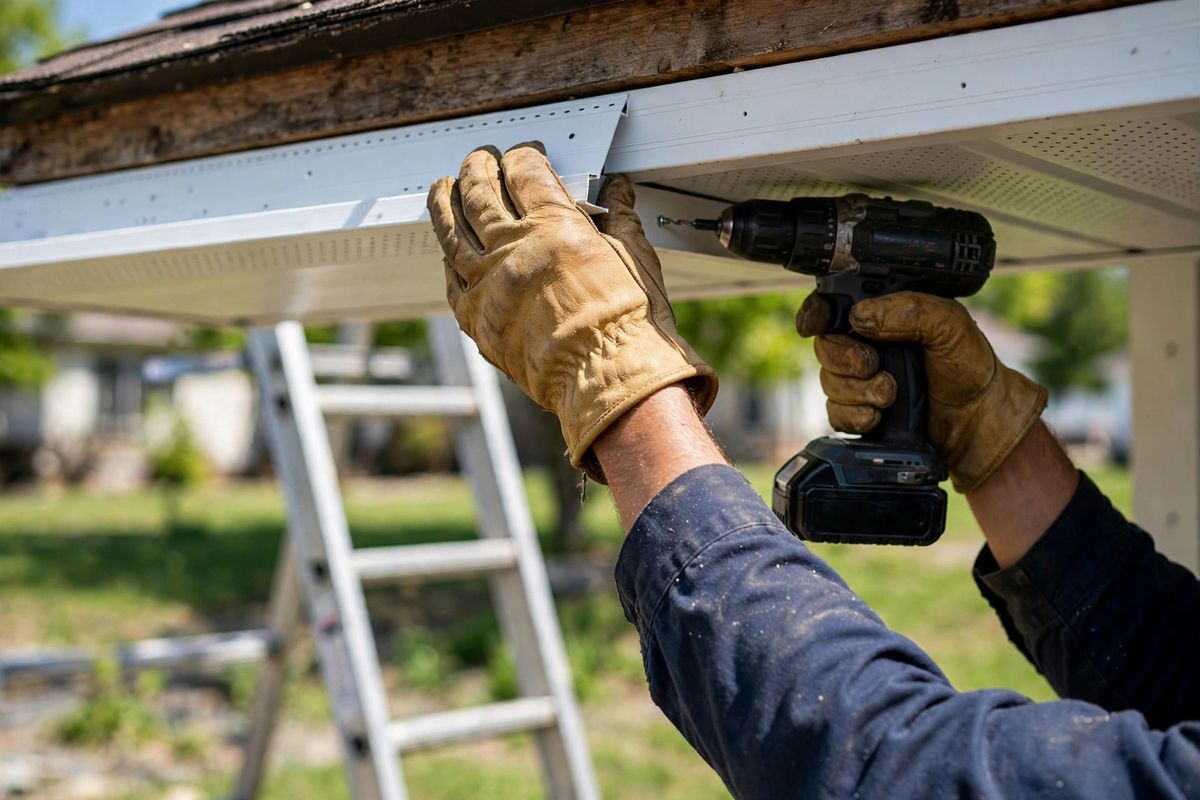
Flashing order, trim details and energy gains — why replacing windows during a siding project produces a better, longer-lasting result.
Read the guide →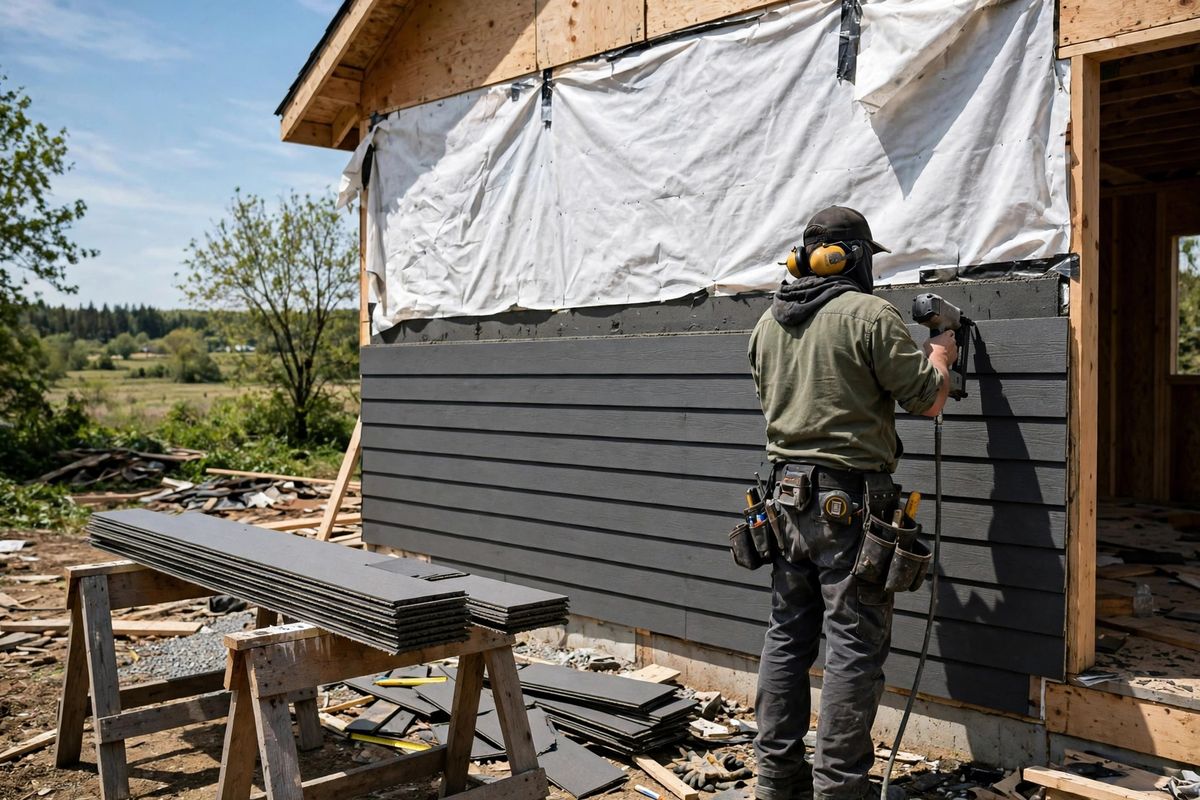
What Hardie board actually is, the profiles available, what installation involves, and the maintenance it needs in Ohio's climate.
Read the guide →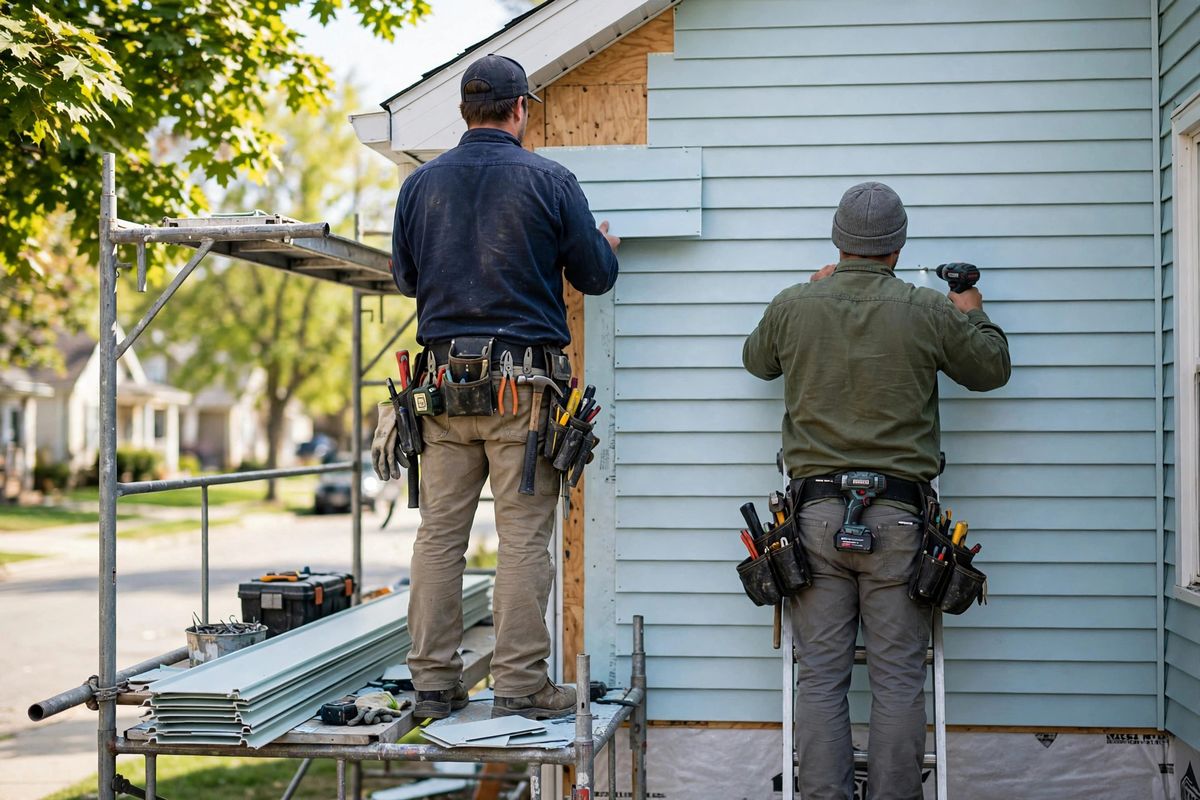
From first call to final walkthrough — the phases of a Cincinnati siding job, typical durations for each, and the delays that actually happen.
Read the guide → Cincinnati Siding Pros
Call Cincinnati Siding Pros now and we'll connect you with an independent local siding provider in Cincinnati, OH — no pressure, no obligation. Lines are open 24/7.
 Scan to call now